30th March 2026
How Allergy Treatment Is Changing for Families
Read More >>

19th July 2024
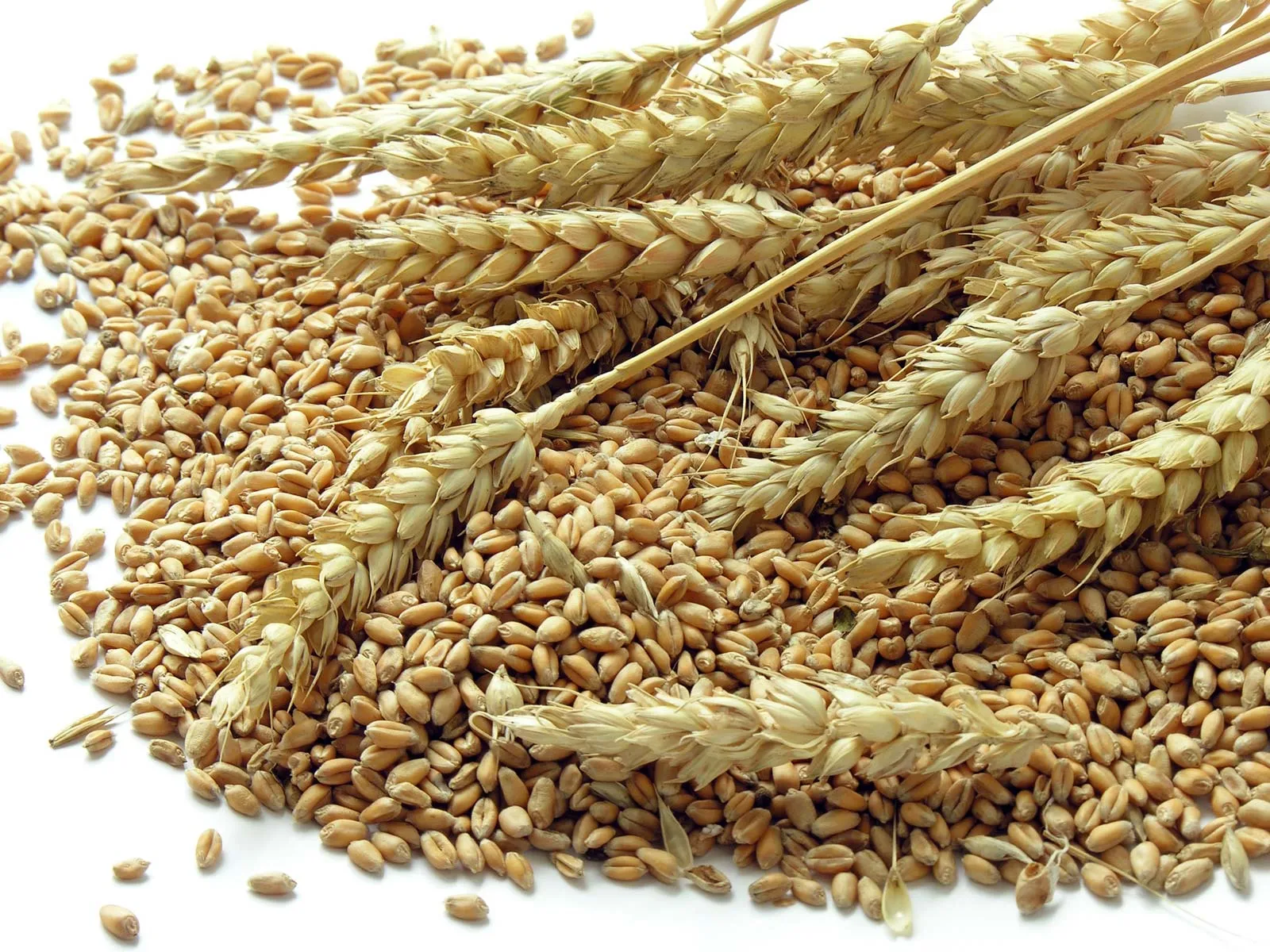
Wheat allergies are one of the most common food-related allergies. Wheat allergy symptoms can range from uncomfortable to deadly, so if you think your child might be allergic it’s important to confirm your suspicion sooner rather than later.
Anyone can have a wheat allergy. In this guide we’ll explain the details of the different reactions that can be had to wheat, including symptoms, treatment and learning to live with an allergy.
Your body can react in several different ways to wheat:
This reaction to wheat is caused by IgE (Immunoglobulin E) antibodies by the immune system, and usually happens anywhere from a few minutes to a couple of hours after inhaling or ingesting wheat. Generally speaking, IgE antibodies are produced when the immune system overreacts to an allergen. They then travel to cells that release chemicals, causing the allergic reaction.
This allergy also involves the immune system, but no IgE antibodies are produced. This makes it significantly harder to diagnose. The symptoms can also take longer to manifest, occurring a few hours to a few days after the initial exposure.
This specific response occurs solely when people exercise within a few hours of ingesting wheat. Reactions range from urticaria to respiratory, gastrointestinal or cardiovascular symptoms.
Wheat intolerance does not involve the immune system, and is different to a wheat allergy. Wheat intolerance often causes digestive symptoms, and can sometimes be mistaken for a wheat allergy.
This is caused by gluten, a protein found in wheat, but also in barley and rye, Coeliac Disease is an autoimmune disease, not an allergy. It causes damage to the small intestine and can cause a variety of digestive symptoms, some of which can be mistaken for an allergy. It affects the absorption of nutrients and can therefore cause poor growth and other symptoms. Sometimes, there are no obvious symptoms of coeliac disease.
Wheat allergy symptoms can be broken up into categories:
Anaphylaxis is a severe form of allergic reaction that has the potential to be fatal. As well as the above, symptoms may include: persistent coughing, a hoarse voice, difficulty swallowing, swelling of the tongue, difficult or noisy breathing, wheeze, dizziness, becoming pale or floppy, sudden sleepiness or collapse
What are the causes of a wheat allergy?
When an allergic reaction occurs, it’s because the body has misidentified a wheat protein as something harmful, such as a virus. This results in the release of histamine – the chemical responsible for causing symptoms such as anaphylaxis.
The majority of wheat allergies are due to your immune system overreacting. Allergies usually make themselves obvious at infancy and can sometimes be outgrown during childhood and adolescence.
Some of the factors that can increase the likelihood of developing a wheat allergy include;
Medical professionals will likely use a holistic view of your medical history and experiences to help them diagnose you with a wheat allergy. As well as this, there are tests that can be carried out, to provide more detailed information on the allergy you have.
During this test, a liquid containing wheat protein is spotted onto the skin, which is then pricked with a sharp instrument to allow it to enter your system. A raised wheal or ‘hive’ in the area that was pricked could indicate and allergic reaction.
Blood is taken and tested to gauge the body’s response to wheat proteins. This can be done to help identify an IgE mediated allergy or coeliac disease.
Under the supervision of a medical professional, you are instructed to eat slowly increasing amounts of the suspected allergen and monitored for any symptoms.
You may be asked to track your diet for set periods of time – one stretch of time with the suspected allergen removed from your diet, and one including the allergen.
There are several ways that you can make adjustments to manage a wheat allergy. There are also options for treatments you can pursue to reduce the symptoms of the allergy significantly.
Avoiding wheat proteins is usually the first step in managing a wheat allergy or wheat intolerance.
This means:
Antihistamines and other over-the-counter medication can be used to help relieve the symptoms of an allergic reaction, and adrenaline is used to combat the more severe reaction of anaphylaxis. It’s always recommended to consult your doctor before starting a new medication.
A developing treatment for wheat allergies is wheat oral immunotherapy. This treatment is based on controlled gradual exposure to the affecting allergen. This is proving particularly helpful in children with wheat allergies, as this can help to reduce the risk of a severe reaction due to accidental exposure.
Wheat allergies affect less than 1% of children in the UK. While that sounds like a small number, in reality it means hundreds of thousands of children are having to manage symptoms every day. If you think your child may benefit from wheat oral immunotherapy and want to see if they’re suitable for treatment, take our online assessment.