30th March 2026
How Allergy Treatment Is Changing for Families
Read More >>

22nd August 2024
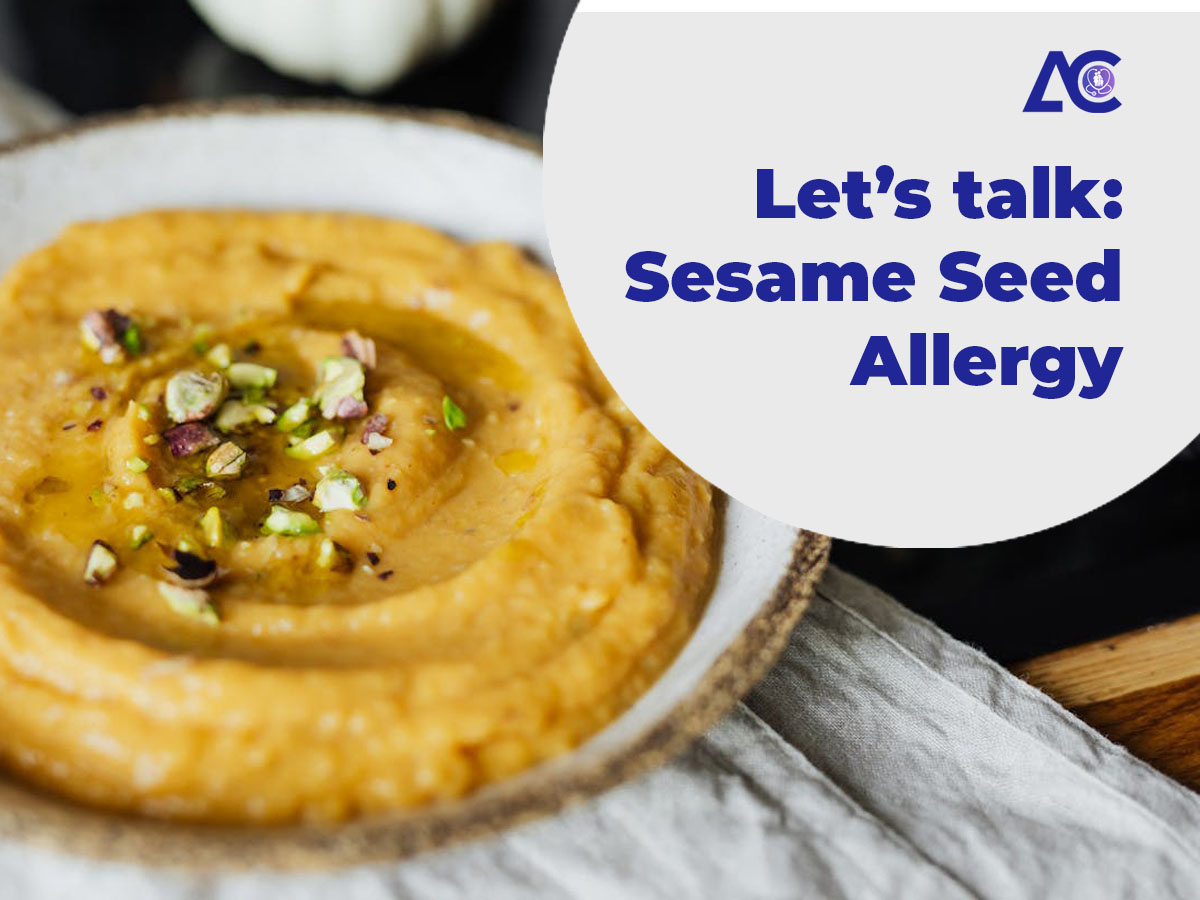
Sesame seed allergies are becoming more common and are now among the top 10 food allergies. The increase in sesame consumption, especially in the UK, may explain why more children are developing this allergy. In countries like Israel, where sesame is a staple food, sesame allergies are already widespread. It’s still unclear how often people outgrow sesame allergies or how long it takes.
People with sesame allergies might also be allergic to peanuts or tree nuts. It’s important for anyone with a sesame allergy to see an Allergy Specialist to know what foods they should avoid.
Sesame seeds, known by other names like Benne or Gingelly, can cause serious allergic reactions, even life-threatening ones. As sesame becomes more common in foods like bread and baked goods, there’s a risk of cross-contamination during production.
Sesame is ubiquitous in so many cuisines for example, Mediterranean and Asian and now it has become even part of European cuisine.
Sesame is used in popular foods like hummus, tahini, and halvah. It’s also found in bakery items, rice cakes, and more. Sesame can be an unexpected ingredient in processed foods like noodles, dips, and sausages. Some herbal drinks and unwrapped bakery items may also contain sesame.
Interestingly, some people with mild sesame allergies can eat buns with whole sesame seeds because the allergen is only released if the seed is crushed or broken.
Eating at restaurants can be risky for those with sesame allergies. While peanut allergies are well-known, many don’t realise that sesame allergies can be just as serious. Sesame can be hidden in dishes like stir-fries or curries, and the re-use of cooking oils can also pose a danger. Always check with the person preparing the food to ensure it’s safe.
The goal of Food OIT (also known as food immunotherapy and oral desensitisation), is treatment is to make your child less sensitive to sesame, which helps lower the chance of accidental allergic reactions. The treatment works by slowly giving your child small amounts of sesame allergen, starting in a safe, supervised clinical setting.
If you stop the treatment, the benefits might quickly fade, and your child could still be allergic to sesame.
It is important to be aware that this can carry serious risks, including severe allergic reactions.
Sesame desensitisation may not be the right choice for every child with a sesame allergy.
Even though sesame allergies are becoming more common, there isn’t enough awareness about them in the UK. Some people might have severe reactions to sesame even if their allergy tests come back negative, so it’s important to treat any reaction seriously and get medical advice.
At the Allergy Centre of Excellence, we focus on giving each child and their family personalised care of the highest quality. Our team includes three internationally recognised Professors in Paediatric Allergy and a group of skilled clinicians and support staff who are here to help you at every step of the patient journey.
If you want to know more about Food OIT or have any questions, just fill out the form on our ‘Get in Touch page’ or call our team on 020 3633 9851.