30th March 2026
How Allergy Treatment Is Changing for Families
Read More >>

17th September 2024
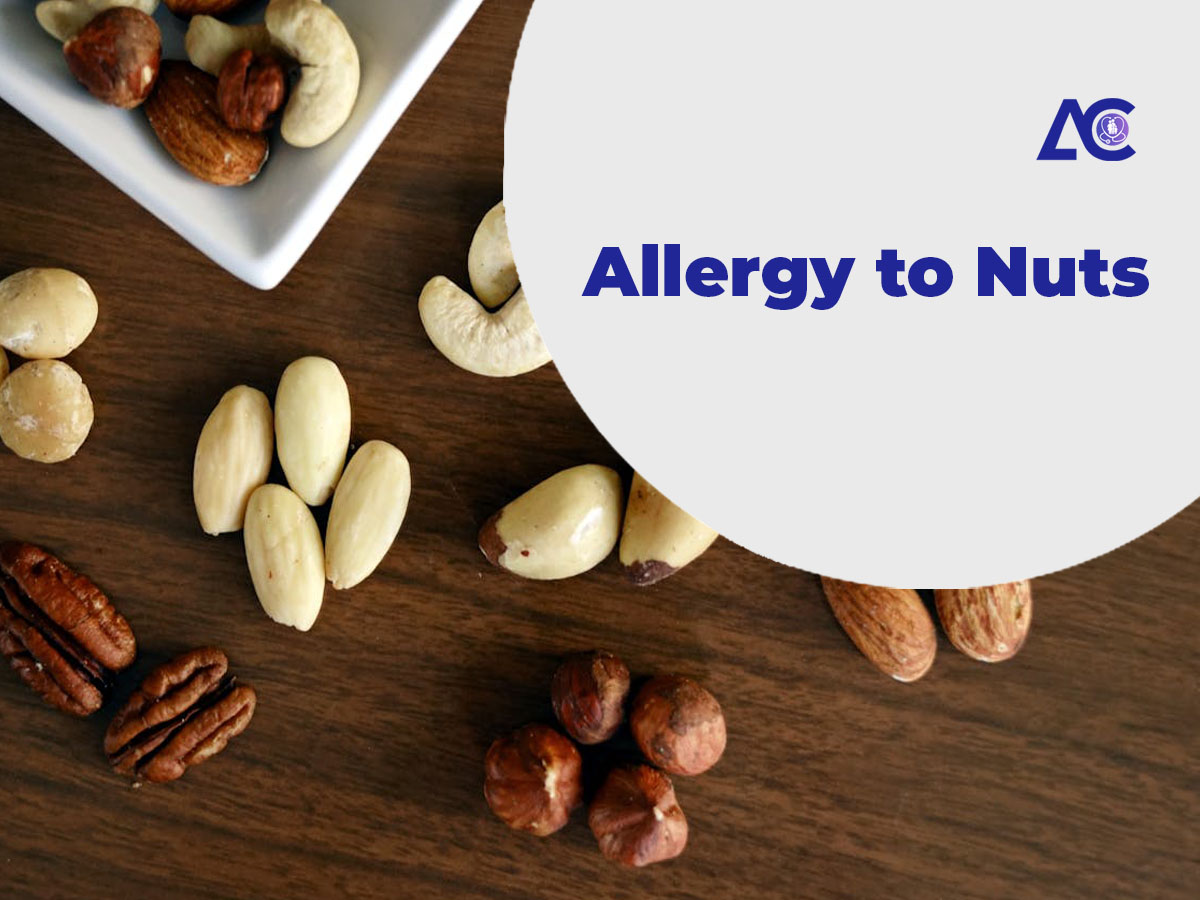
There are approximately 2% of children in the UK who have a peanut allergy, and another 2% are allergic to tree nuts. However, there is some overlap, as certain children are allergic to both. The combined prevalence of peanut and/or tree nut allergies is around 3%, which equates to about one in 30 children. Sadly, statistics show it is only outgrown in 20% of cases, and usually by the time a child is aged 4. For most children, it is unfortunately a lifelong allergy and can have a significant impact on quality of life.
Although peanut is the most common nut to be allergic to, it is technically a legume.
Nuts are the most common cause of severe allergic reactions in older children and adults, but it is important to share that most people who do have a nut allergy will not have a severe reaction.
A nut allergy is when your immune system mistakenly identifies the protein in a certain nut as harmful to your body. Contact with the allergen subsequently leads to the body releases certain chemicals that may lead to an adverse effect on your health. The most intense form is referred to as ‘anaphylaxis’ – a severe allergic reactions which can be life threatening.
An allergic reaction to nuts typically starts within minutes of exposure.
In more severe cases, a severe allergic reaction (known as Anaphylaxis) can lead to symptoms that can cause:
These symptoms are warning signs of a life-threatening type of allergic reaction – anaphylaxis, pronounced ‘anna-fill-axis’ which requires immediate medical attention. If your airway, breathing or consciousness is being affected, or if you are not sure the reaction is severe enough, it is important to use to use your AAI (e.g. EpiPen, Jext) immediately if you have been prescribed one.
Administrating adrenaline whenever there are signs or suspicion of anaphylaxis is very safe, and is the most effective response to a severe allergic reaction.
The exact cause of nut allergies is still debated, but there are a few different factors that could potentially contribute to their development.
Genetic predispositions may heighten the risk of someone developing a peanut allergy. A family history of conditions that include strong reactions such as asthma or eczema might mean that someone is more likely to develop food allergies.
Controlled exposure to peanuts or peanut-derived allergens (and other allergenic foods) at an early age is advisable in high risk children from 17 weeks of age, to reduce the risk of food allergy developing.
To find out if someone has a nut allergy, they will need to see an allergy specialist. The doctor will do some tests, like skin tests or blood tests, and might ask the person to eat small amounts of nuts in a controlled setting. These steps help confirm if someone is really allergic to nuts. Not everyone is allergic to all nuts, so getting the right diagnosis can show which nuts are safe to eat.
The most common way to manage a nut allergy is to avoid nuts completely. This means learning about the allergy, knowing how to recognise a severe reaction, and having a plan in case of an emergency. If prescribed, it’s crucial to know how to use an adrenaline auto-injector like an Epi-Pen and to keep it up to date and stored properly.
Palforzia is a treatment for children aged 4-17 with peanut allergies. It comes in capsules or sachets with different doses of peanut protein. The idea is to slowly increase the amount of peanut the body can handle, making allergic reactions less likely. However, it is not a cure, and patients need to keep taking the treatment to maintain its effects. Please note that this form of treatment takes place in a hospital setting under the supervision of an experienced allergy specialist.
Palforzia was approved for NHS use in 2021, but it hasn’t been widely used yet. The hope is that more children (aged 4-17 years) will be able to get this treatment soon. Still, Palforzia, isn’t suitable for every child.
Our mission at the Allergy Centre of Excellence, is to provide personalised, patient-centred care to each child / young person and their family, backed up by the highest standards. We are led by three world-renowned Professors in Paediatric allergy and supported by a team of highly experienced clinicians. Additionally, we have a wider dedicated patient services team to provide comprehensive support at every stage of your journey.
If you would like to learn more about Food OIT or have any questions, please feel free to complete a short form on our “Get in Touch” page or call us on 020 3633 9851.
Helpful links: